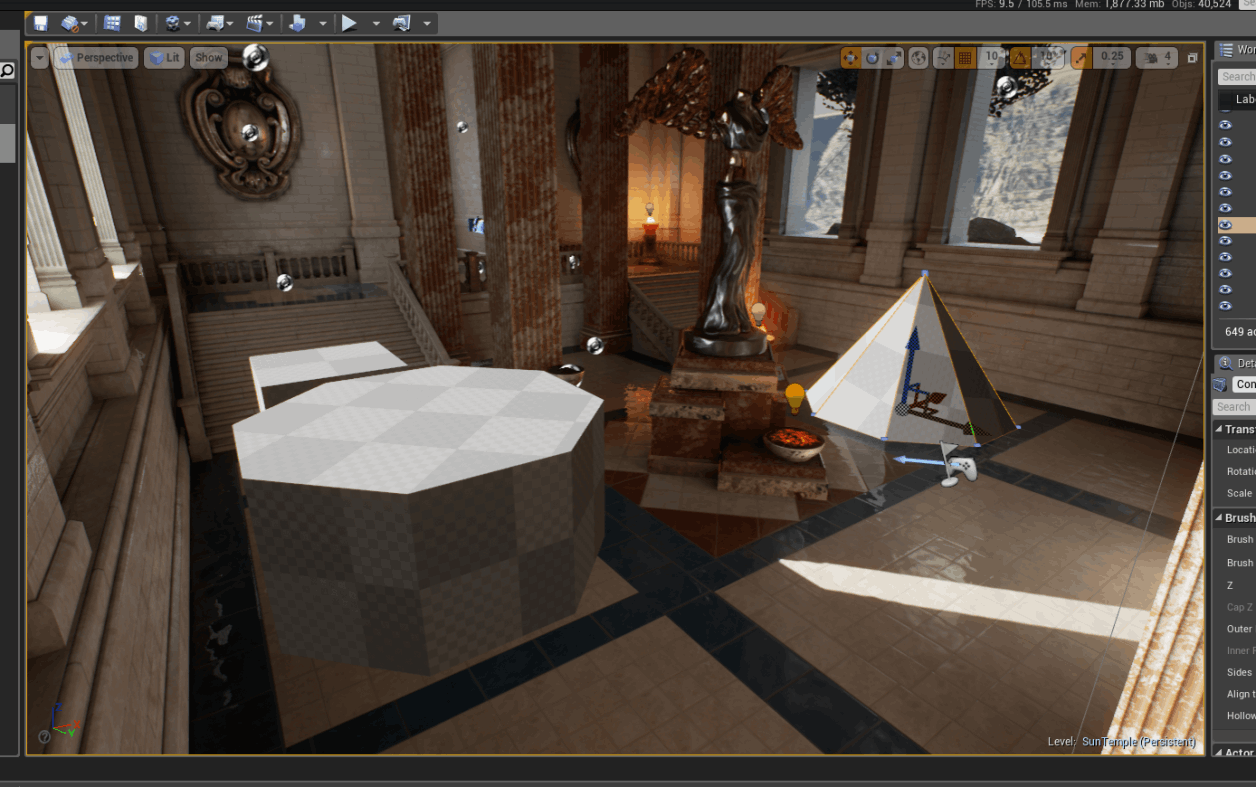
How Building Games from Structure Saved My Studio
Two years ago, my studio was on the brink of failure. We had talent, passion, and a great concept, but we were drowning in technical debt. Every new feature took weeks to implement, bugs multiplied overnight, and deadlines slipped like sand through our fingers. The breaking point came when a publisher asked for a simple multiplayer mode, and we realized our codebase couldn’t support it without a complete rewrite. That’s when I stumbled upon the idea of building games from structure—and it saved us.
The turnaround started with a brutal audit: we stripped everything back to the core systems and rebuilt them from the ground up. Instead of patching holes, we designed a modular gameplay architecture where each component—combat, progression, economy—could evolve independently. The results were immediate. Features that used to take months now took days. Bugs became easier to isolate and fix. And for the first time, we could actually predict how long tasks would take. Structure didn’t just fix our game; it fixed our studio’s culture.
Now, structural game development is our religion. Every project starts with a “structure sprint,” where we define the rules of the world before we build it. It’s not about perfection—it’s about clarity. When everyone on the team understands the foundation, they can innovate within it, not against it. And that’s how you ship games that players love—and studios can be proud of.