
Our systems-first development approach ensures your game isn’t just fun, but deeply engaging, scalable, and built to last. From gameplay architecture to building games from structure, we craft experiences that players remember and studios rely on.
I used to build games the “fun-first” way—prototyping mechanics, tweaking art, and hoping the systems would fall into place. Spoiler: they never did. After years of refactoring nightmares, I realized the only way to avoid chaos is to start with structural game development. Now, I design the skeleton before the skin, and everything just works.
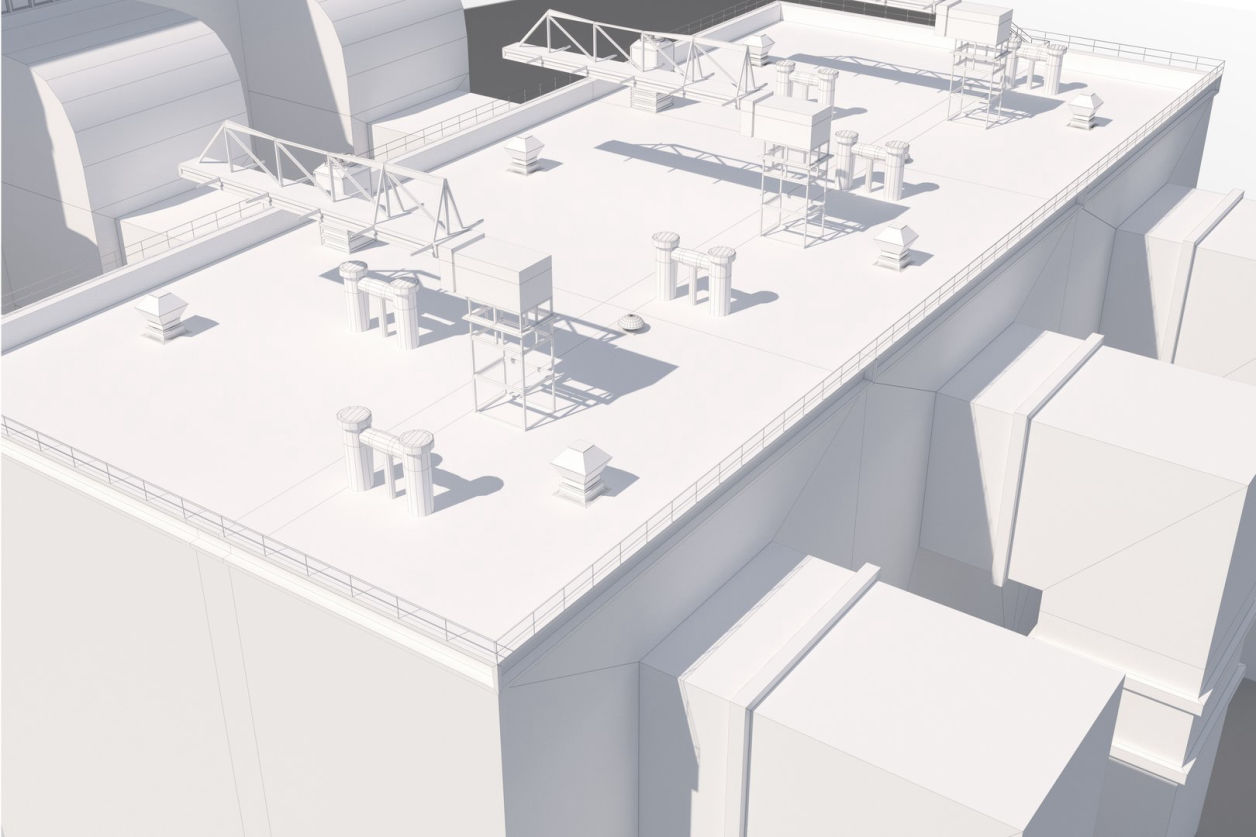
Ever shipped a game where adding one new feature broke three others? That’s the tax of poor gameplay architecture. I learned the hard way: without a solid structure, even the best ideas collapse under their own weight. Now, I treat architecture like a game’s DNA—ignore it, and you’re building on quicksand.
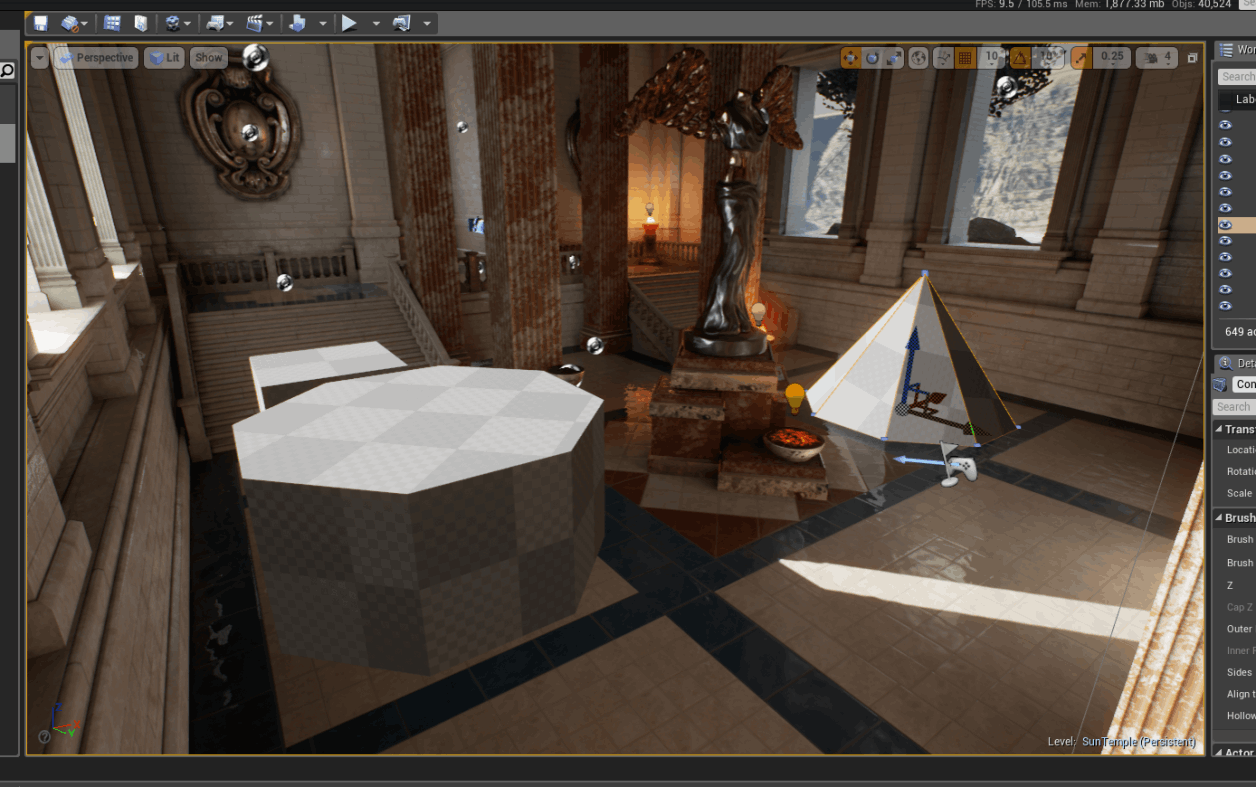
My studio was drowning in spaghetti code and missed deadlines. Then we tried building games from structure—mapping out systems before writing a single line. The result? Faster iteration, fewer bugs, and a game that actually shipped on time. Structure isn’t boring; it’s liberation.
Developers often resist structure, fearing it will stifle creativity. But here’s the truth: structural game development doesn’t kill ideas—it gives them room to breathe. When your systems are solid, you can experiment without everything falling apart. That’s real freedom.

Fixing structural flaws late in development is expensive. We catch them early, saving you time, money, and headaches.
With a clear structure in place, your team can test, tweak, and refine mechanics without wasting time on rework.
Lag and bugs often stem from poor structure. We optimize your game’s skeleton, so it runs smoothly from prototype to launch.
Games evolve. We ensure your gameplay architecture is modular, so adding new features or content never breaks what’s already working.
We map out your game’s DNA before a single line of code is written. Our systems-first development approach eliminates ambiguity, so your team knows exactly what to build—and why.
Lorem ipsum dolor sit amet, consectetur adipiscing elit. Curabitur sit amet porttitor ante. Pellentesque eu orci molestie est tincidunt interdum. Duis pellentesque volutpat leo vel rhoncus. Sed a metus sit amet sapien vulputate mattis. Nulla vel elementum lectus. Nulla euismod euismod maximus. Praesent porttitor mauris arcu, vitae porttitor ipsum ultricies in. Etiam lacinia faucibus arcu, et volutpat metus pretium eu. Nullam nisl mauris, porta convallis dictum quis, tincidunt id orci. Duis ut ultrices nisl. Phasellus rhoncus suscipit leo nec sollicitudin. Curabitur feugiat blandit mauris, at efficitur massa lacinia vel. Integer turpis lacus, dictum nec commodo vitae, iaculis ac turpis.
Vestibulum tincidunt, dolor in tincidunt vestibulum, ipsum arcu lacinia enim, nec tristique lacus odio ac mauris. In congue vitae ex et aliquam. Quisque viverra id ante a aliquam. Mauris accumsan dolor sed dui scelerisque, sed vulputate ex mattis. Fusce tellus magna, vehicula sed porta id, rhoncus at urna. Donec tempor mattis arcu, sit amet lacinia nisi porta vel. Nam fermentum orci quis leo luctus, a efficitur leo ullamcorper. Mauris semper maximus fermentum. Cras pharetra turpis eu ultricies placerat. Nulla sed mauris posuere, pharetra tellus id, mattis sem. Pellentesque habitant morbi tristique senectus et netus et malesuada fames ac turpis egestas. Vestibulum nec pharetra dolor, eu mattis nisi. Nullam ultrices arcu vitae risus tempor elementum.
Whether you’re a programmer, designer, or producer, we translate structural game development into actionable steps for your role.
We don’t just hand you a system—we teach you how it works, so you’re in control.
Our approaches are refined through years of shipping games in Brazil’s competitive market.
Need a full structural overhaul? Or just a second opinion on your gameplay architecture? We adapt to your needs.
We’re not here for one-off projects. We build relationships with studios who value building games from structure as much as we do.
It’s a methodology where we design your game’s core systems—like progression, economy, and physics—before diving into assets or storytelling. Think of it as building a skyscraper: you need a solid framework before you decorate the lobby.
Traditional dev often starts with art or gameplay prototypes, then retrofits systems later. We start with the systems, so everything else fits naturally.
Absolutely. In fact, indies benefit the most from building games from structure—it keeps scope manageable and budgets predictable.
Our gameplay architecture expertise applies to RPGs, strategy games, simulations, and multiplayer experiences. If it has systems, we can structure it.
It depends on complexity, but our goal is always to get your structure locked down in 4-8 weeks, so you can iterate with confidence.
R. Tumiaru, 35 - Paraíso, São Paulo - SP, 04008-050, Brazil